

Gardening success is often framed as a matter of skill, whether you are watering correctly, choosing the right fertilizer, or finding the perfect spot for sunlight. Many long-term gardening challenges begin much earlier, with the sourcing of plants. A plant’s origin and how well it matches local growing conditions play a significant role in how it performs over time.
Choosing a local plant nursery is especially important in states like Virginia and Maryland, where soil composition, climate patterns, and wildlife pressure directly impact long-term plant success.
A local plant nursery operates within the same environment as the gardeners it serves. That shared context, climate, soil, seasonal shifts, and weather patterns, creates a level of insight that can’t be replicated through national distribution models. Over time, this local understanding becomes one of the most important factors in plant health and longevity.
Why Growing Conditions in Virginia and Maryland Matter
Every region presents its own set of growing challenges. Temperature swings, soil composition, rainfall patterns, and even regional pests influence how plants establish and mature. Advice that works well in one part of the country may not translate effectively to another.
In Virginia and Maryland, gardeners commonly deal with clay-heavy soil, high deer populations, humid summers, and fluctuating winter conditions. These factors directly affect drainage, root development, and plant longevity.
We build their plant selections around real, observed conditions. Over years of working in the same climate, patterns emerge:
- Which plants consistently thrive
- Which varieties struggle despite good care
- How seasonal timing affects survival and growth
This kind of experience-based knowledge helps gardeners avoid common pitfalls and make choices that align with their specific environment, particularly when factors like mature plant size, drainage, and long-term growth habits are considered from the start.
Plants Selected for Virginia and Maryland Perform Better Over Time
One of the most common reasons plants fail is transplant stress. Plants grown far away, shipped long distances, and stored under artificial conditions may look healthy at purchase but struggle to adapt once planted outdoors.
A local plant nursery reduces this risk by focusing on plants that are:
- grown or sourced with regional conditions in mind
- handled with minimal transport and storage stress
- offered during appropriate planting windows
In VA and MD, planting outside optimal seasonal windows, especially in clay soil, can prevent proper root establishment before heat or cold stress sets in.
Many local nurseries also prioritize organic or responsibly grown plants. Organically grown plants, or those cultivated using sustainable soil practices, often develop stronger root systems and adapt more readily to natural growth cycles. While no plant is immune to environmental stress, thoughtful growing and sourcing practices provide a stronger foundation for long-term success.
Local Nurseries and Big-Box Retailers Take Very Different Approaches
Large national retailers are built around efficiency and scale. Their plant inventory is designed to serve a broad geographic audience, which often leads to standardized selections and rigid distribution schedules.
The difference in approach becomes clear when comparing priorities:
Local Plant Nursery
- Plants selected for regional conditions
- Seasonal availability based on local climate
- Focus on long-term plant performance
- Regional growing knowledge
Big-Box Retailers
- Plants selected for national distribution
- Inventory driven by shipping schedules
- Focus on convenience and volume
- Limited plant-specific guidance
Without a true understanding of the plants they’re buying, gardeners often encounter issues like overplanting, ignoring mature plant size, poor drainage planning, and unrealistic maintenance expectations when buying from big-box stores.
Local Plant Nurseries Are Also A Great Resource
Gardening is not a one-time project. Landscapes evolve, conditions change, and plants mature over time. Having access to guidance rooted in regional experience helps gardeners adapt to those changes as they occur.
Staff at your local nursery will often serve as long-term resources and can help with:
- selecting plants suited to specific spaces
- understanding how weather patterns affect plant care
- adjusting maintenance practices as landscapes mature
Education is a major factor in long-term success, particularly around realistic maintenance expectations, pruning timing, and how plants interact as landscapes mature.
Community, Sustainability, and Responsible Growing
Choosing a local plant nursery also supports a broader network of growers, horticultural professionals, and environmentally responsible practices. Shorter supply chains reduce transportation impact, while thoughtful sourcing encourages sustainable growing methods.
Local nurseries tend to emphasize quality over quantity, supporting practices that benefit both the landscape and the surrounding community. This contributes to healthier gardens and more resilient local ecosystems.
A Locally Grounded Approach to Gardening
This locally focused approach to growing doesn’t develop overnight. It’s shaped over years of working with plants in the same climate and helping gardeners navigate the same seasonal challenges year after year.
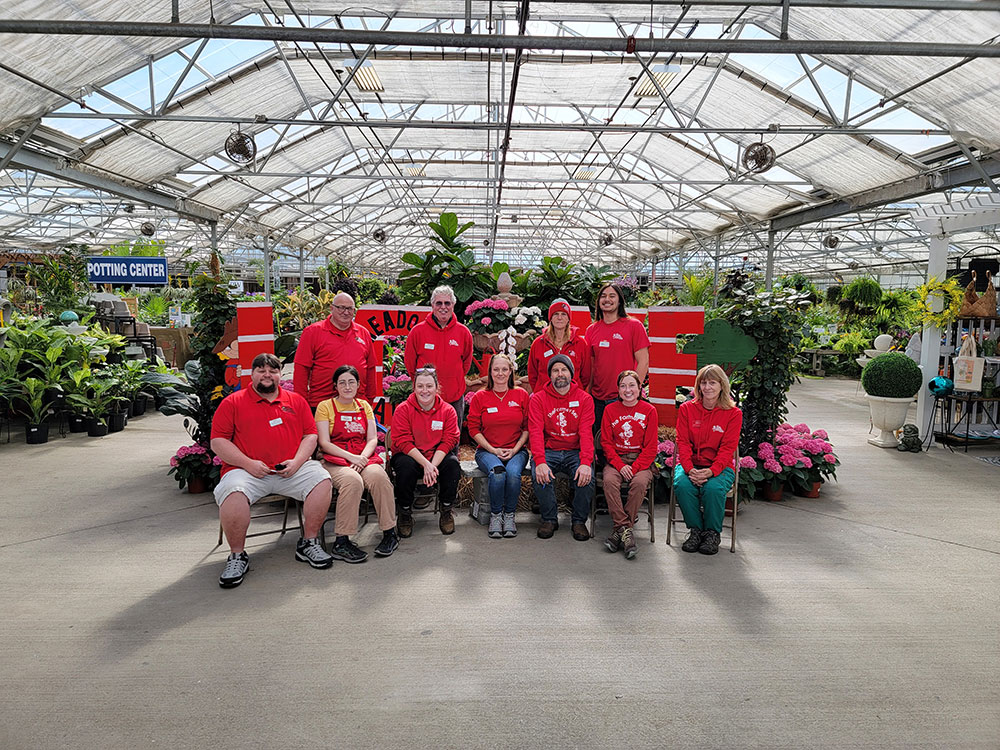
This approach reflects how Meadows Farms serves its community, by prioritizing plants suited to Virginia and Maryland growing conditions and offering guidance grounded in real, hands-on regional experience rather than generalized national recommendations. Find your local store and start planting a little bit of happiness.